Fall Luncheon - Stream Water Quality Trends in Charlotte
September 25, 2023
11:30 AM - 1:30 PM
Add to Calendar
McKimmon Conference and Training Center
1101 Gorman St
Raleigh, NC 27606
Venue website
Directions
Characterizing water quality status, trends and potential stormwater management opportunities from NPDES monitoring data: A case study focused on Charlotte, N.C.
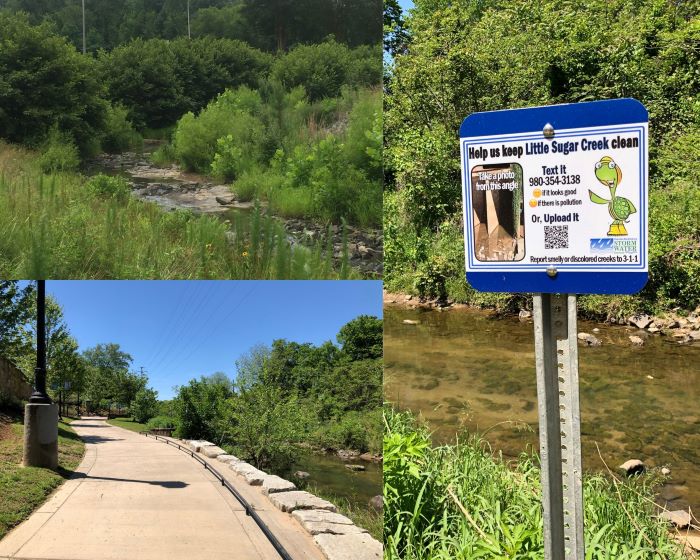
Charlotte-Mecklenburg Storm Water Services (CMSWS) manages the surface water quality for more than 3,000 miles of streams, spending approximately $1.6 million dollars per year on monitoring. They collect nearly 15,000 water samples per year and screen them for more than 20 different parameters. They also operate a Continuous Monitoring and Alert Notification Network (CMANN) that is composed of automated YSI samplers at 35 locations. The samplers measure five parameters per hour, 24 hours a day, which totals approximately 1.5 million measurements a year. In addition, they annually sample macroinvertebrate communities at 34 locations. So, what does all this data tell us about the water quality in the greater Charlotte area?
To get at this question, NC State University evaluated CMSWS’s water quality data for the period of 2007 to 2020 to identify trends and future monitoring, management and planning decisions to protect and restore urban streams. Pollutant concentrations and loads were compared among monitoring sites and to relevant state standards. Point source and nonpoint source loads were also tallied and compared. Trends were analyzed using the US Geological Survey’s WRTDS regression method, which accounts for variations due to time, discharge and season. The Soil & Water Assessment Tool (SWAT) and EPA’s Spreadsheet Tool for Estimating Pollutant Loads (STEPL) were used to develop total nitrogen and total phosphorus loads for select watersheds to see how well the predicted loads matched the loads calculated from measured water quality and flow.
This seminar will present the findings of our study effort. In addition, we will review recommendations that were developed for CMSWS to modify their sampling program and to improve the value of the data for management purposes. The analysis and modeling approaches applied as well as the recommendations for improvement could be useful to other municipalities in North Carolina and beyond.
Continuing Education Credits: This forum will provide 1 PDH (professional development hour) credit upon completion of registration and evaluations that will be sent with the final event information. Each professional must determine if the content is relevant to his/her individual practice and suitable for his/her continuing education.
Bring a Friend Along to the NCWRA Luncheon for only $5! (with the purchase of a regular member luncheon forum admission fee)
Is there a young professional who has recently arrived on the scene at your company or co-worker that is new to North Carolina? Are you looking for quality, affordable, PDHs? Is there someone at your workplace interested in meeting others in the water resources field, learning about what’s happening in water resources research, policy and implementation? If so, then we encourage members to bring a friend to the next NCWRA luncheon. We are looking for “fresh faces” to benefit from the valuable, yet affordable, professional development and networking opportunities that our state chapter of the American Water Resources Association (AWRA) has to offer.
Guest Speaker:
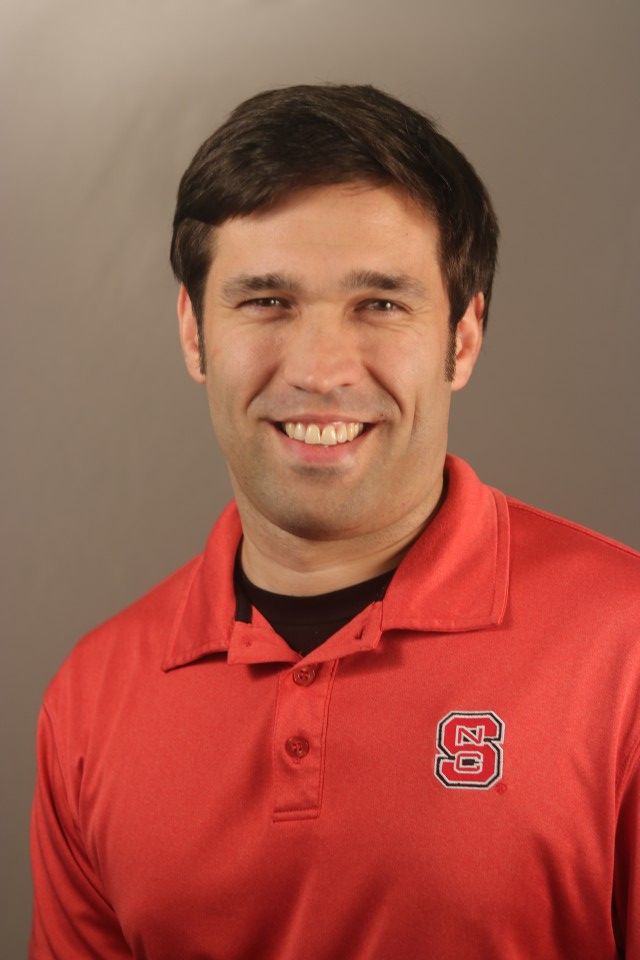
Jack Kurki-Fox is a Research Scholar with the Biological & Agricultural Engineering Department at NC State University based in Raleigh, N.C. He has a PhD in Biological & Agricultural Engineering from NC State University and is a licensed professional engineer. He conducts monitoring, modeling and engineering analysis to support research and extension efforts related to water quality, flooding and water management. He supports training programs for professionals focused on stream morphology assessment, restoration and hydraulic modeling. He has conducted extensive modeling and analyses to identify flood mitigation options for communities in eastern NC, evaluate infrastructure improvements to increase resilience, and test the flood mitigation potential of natural infrastructure. He earned bachelor’s and master’s degrees in Civil Engineering from the University of Florida and a PhD in Biological & Agricultural Engineering from NC State University. Prior to pursuing his PhD, he worked as a consulting engineer designing and inspecting wastewater and drinking water systems.
This forum is proudly supported by NCWRA River-Level sponsor:
Tickets
$15.00 Student Member Registration
$350.00 Luncheon Sponsor
$150.00 Luncheon Dessert/Coffee Sponsor
$250.00 Social Sponsor
$30.00 Member Registration
$35.00 after 8:30 am September 14
$40.00 Non-Member Registration
$45.00 after 8:30 am September 14
$30.00 Member Webinar Registration
$35.00 after 8:30 am September 14
$40.00 Non-Member Webinar Registration
$45.00 after 8:30 am September 14
$35.00 Bring a Friend (In-person forum only)
$40.00 after 8:30 am September 14
$100.00 Group Webinar Registration
$0.00 Guest Ticket Annual Sponsor
$0.00 Guest Ticket Annual Sponsor Webinar

